

Scalp Ageing: The Early Signs Most People Overlook

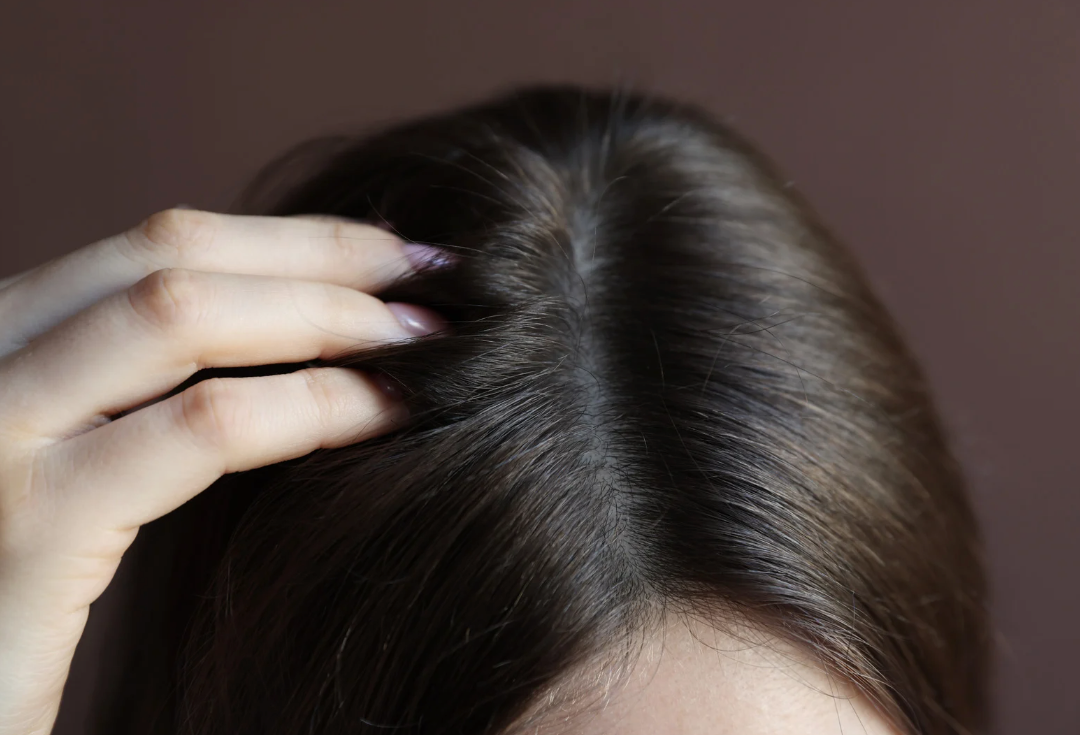
The first sign of change is rarely a bald patch. More often, hair loses lift, the part looks different, the scalp feels tight or the fibre no longer behaves as it once did. Early attention creates more options—and far less panic.
Why is scalp ageing easy to miss?
We see the hair every day but rarely see the scalp clearly. Most routines are built around ends, frizz and styling, while changes at the root are disguised by a new parting or another product. The scalp is also biologically complex: oil, dryness, sensitivity, shedding and loss of density can arise from different causes, some cosmetic and some medical.
The aim is not to label every bad-hair day as ageing. It is to recognise persistent patterns and respond with the right level of care.

Seven early signs worth noticing
1. Less natural lift at the roots
Hair that once rose easily may sit flatter because of finer fibres, excess sebum, residue, humidity, damage or changing density. A clean, weightless routine is the sensible first test.
2. A wider part or more visible scalp
Compare photographs taken under similar light and at the same angle. Progressive widening, especially with family history of patterned thinning, deserves professional assessment.
3. A change in shedding
Shedding varies naturally, but a sustained increase, handfuls of hair, or loss continuing beyond several months should not be solved by shampoo shopping alone.
4. Slower apparent length retention
Hair may still grow while breaking faster at the ends. Distinguish reduced growth from lost length by checking split ends, short broken fibres and heat or colour history.
5. New roughness, dryness or loss of movement
Reduced sebum distribution, weathering, colour and heat can make mature hair feel coarser or less elastic. This is primarily a fibre-care question.
6. Persistent tightness, itching or tenderness
Discomfort may reflect dryness, irritation, dermatitis, allergy or another scalp condition. Persistent symptoms require diagnosis, not stronger ‘detox’.
7. A different oil pattern
A scalp that becomes much oilier or drier may need a change in cleansing frequency or formulation. Sudden changes can also accompany hormones, medication, climate or illness.

A TCM-inspired way to observe patterns
TCM does not isolate hair from the person. It looks for patterns of vitality, nourishment, heat, dryness, circulation and recovery. SHHH can use that wisdom as a language of personalisation without pretending that a visual observation is a medical diagnosis.
• A Qi-deficient pattern may be described through loss of lift, easy fatigue and a sense that vitality is not reaching the surface. In formulation terms, the priority is clean, weightless support rather than heaviness.
• A dry-heat pattern may present as tightness, dryness, irritation or a scalp that feels unsettled. The practical priority is gentleness and barrier comfort; persistent inflammation needs clinical care.
• A blood-weak pattern traditionally points to insufficient nourishment and may be associated with dull, brittle or sparse-looking hair. Modern assessment should also consider iron status, diet, menstrual history and health with a qualified clinician.
These are interpretive lenses, not self-diagnoses. Their value lies in asking better questions about the whole person and choosing care with more precision.
Match the SHHH formulation to the visible need
|
Primary concern |
Suggested starting point |
Why |
|
Buildup, excess oil, scalp discomfort |
OMG+ Scalp |
Deep cleansing and a dedicated scalp treatment ritual |
|
Fine, limp or humidity-flattened hair |
OMG+ Airy |
Weightless hydration and visible root movement |
|
Dry, coarse, coloured or heat-stressed lengths |
OMG+ Glossy |
Conditioning focused on softness, smoothness and resilience |
|
Ongoing scalp support |
KORE Regenerative Scalp Toner |
A consistent leave-in step with gentle massage |
What should you track for eight to twelve weeks?
• Photographs of the part and temples in consistent lighting
• Approximate shedding pattern—not an obsessive daily hair count
• Scalp comfort, flaking, tenderness and oil changes
• Breakage, split ends and length retention
• Major changes in stress, sleep, illness, medication, diet or hormones
If the issue is mainly buildup, movement or fibre condition, a well-matched routine can produce a noticeable sensorial difference quickly. If density is progressively declining, the smartest luxury is an early diagnosis.
Not sure where to start? Explore OMG+ Scalp, Airy and Glossy or request a personalised scalp and hair consultation.

Important: Cosmetic scalp and haircare can support comfort, manageability and visible hair quality, but it does not diagnose or treat medical hair loss. Seek medical advice for sudden, patchy or persistent shedding, scalp pain, sores or marked inflammation.
Scientific context and sources
Role of scalp health in achieving optimal hair growth and retention — review of scalp conditions and hair retention
The diversity and abundance of fungi and bacteria on healthy and dandruff-affected scalp — human scalp microbiome study
Co-regulatory mechanisms of skin and hair aging — current scientific context
精選文章
Scalp Toner Ampoules and Salon Treatments
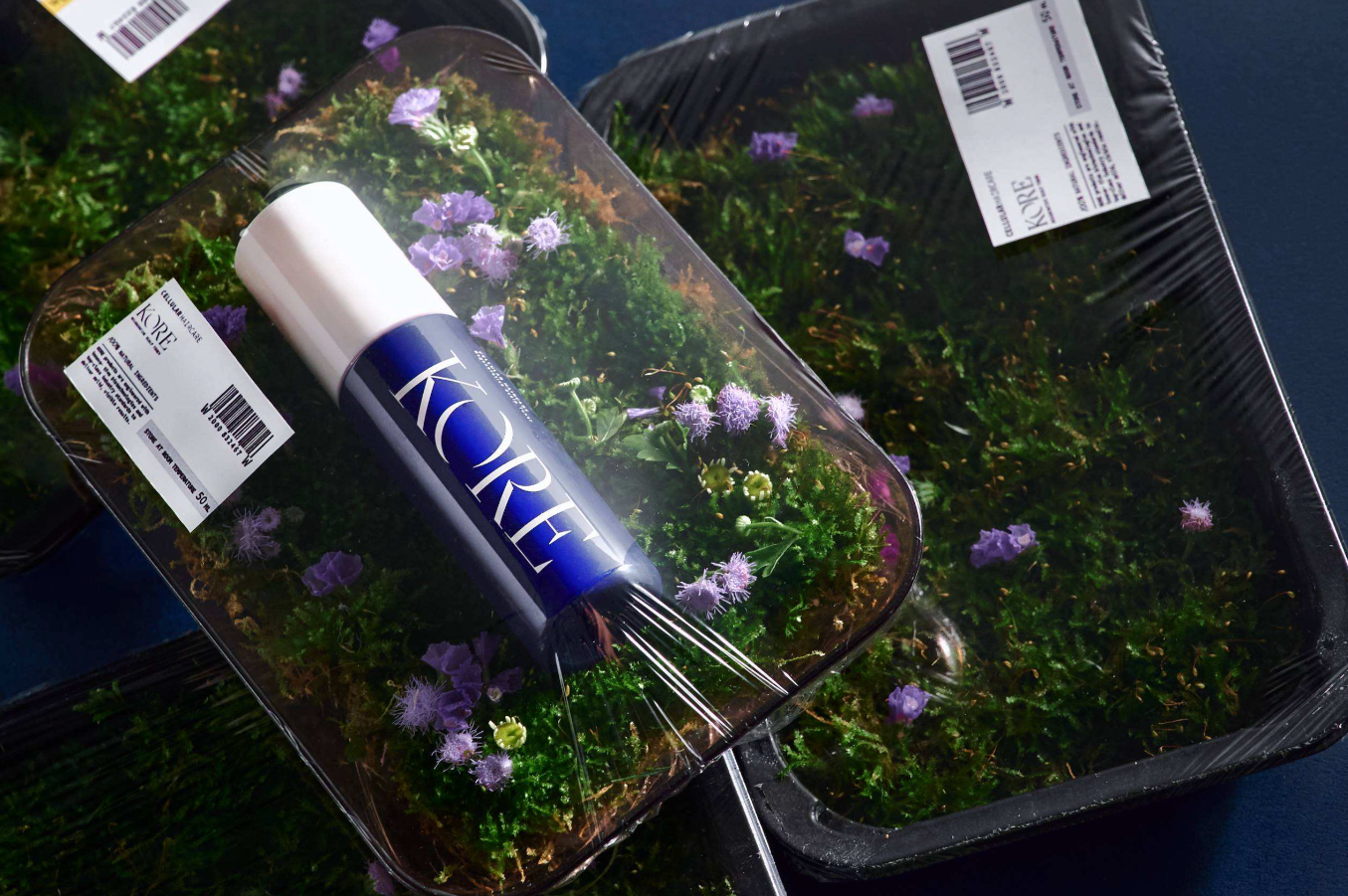
Navigating scalp and hair care doesn't mean you need every product at once. Whether you are using a daily leave-in like the KORE Regenerative Scalp Toner, a fortnightly treatment like the KORE Bio renew Scalp Ampoules, or experiencing a professional session during an OMG Treatment at SHHH in Sheung Wan, building a clear, purposeful routine is key to long-term hair longevity.
Balancing professional salon care with at-home maintenance ensures your routine matches your lifestyle—whether you're pairing your scalp care with a fresh hair colour consultation Hong Kong, expert grey coverage, or modern balayage vs highlights styling. Inspired by a personalized, TCM-rooted philosophy, true care focuses on gentle touch, daily habits, and products tailored specifically to you.
Hair Shedding vs Hair Breakage
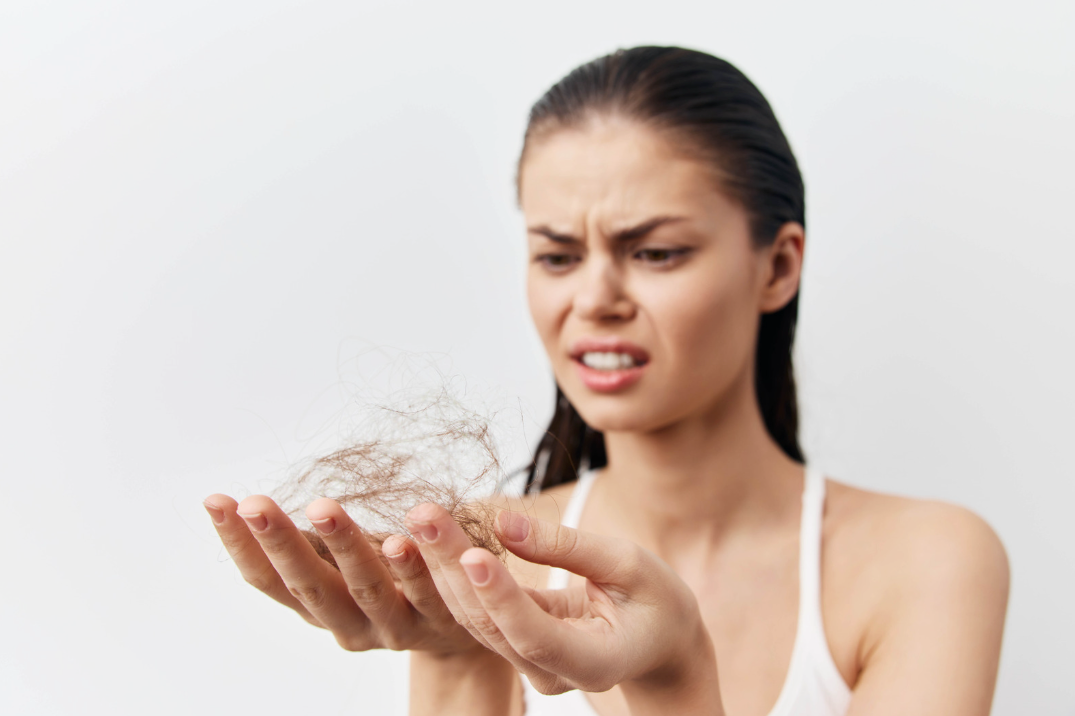
Distinguishing between hair shedding and hair breakage is essential, because a scalp routine and a conditioning treatment do completely different jobs. While shedding releases a hair from the follicle—often showing full-length strands with a small club end—breakage happens along the hair shaft, leaving behind uneven fragments and frayed ends. In Hong Kong, environmental stress, chemical treatments, and lifestyle changes can lead to both simultaneously, making a targeted approach key to hair longevity.
At SHHH in Sheung Wan, we care for the living scalp while protecting the fibre that has already grown. Whether you are addressing excessive hair shedding causes hong kong, seeking solutions for a widening part hair thinning assessment hk, or looking to repair dry processed hair repair treatment hk, our philosophy begins with careful observation. Pair a dedicated scalp step—such as KORE Scalp Toner or OMG+ Scalp—with tailored conditioning for your lengths to restore balance, manageability, and strength.
