

《Why We Die》的啟示:比死亡更棘手的「殭屍細胞」解碼髮根衰老的科學 What "Why We Die" Reveals: The Threat of Zombie Cells & The Science of Hair Aging

衰老,不只是時間的痕跡
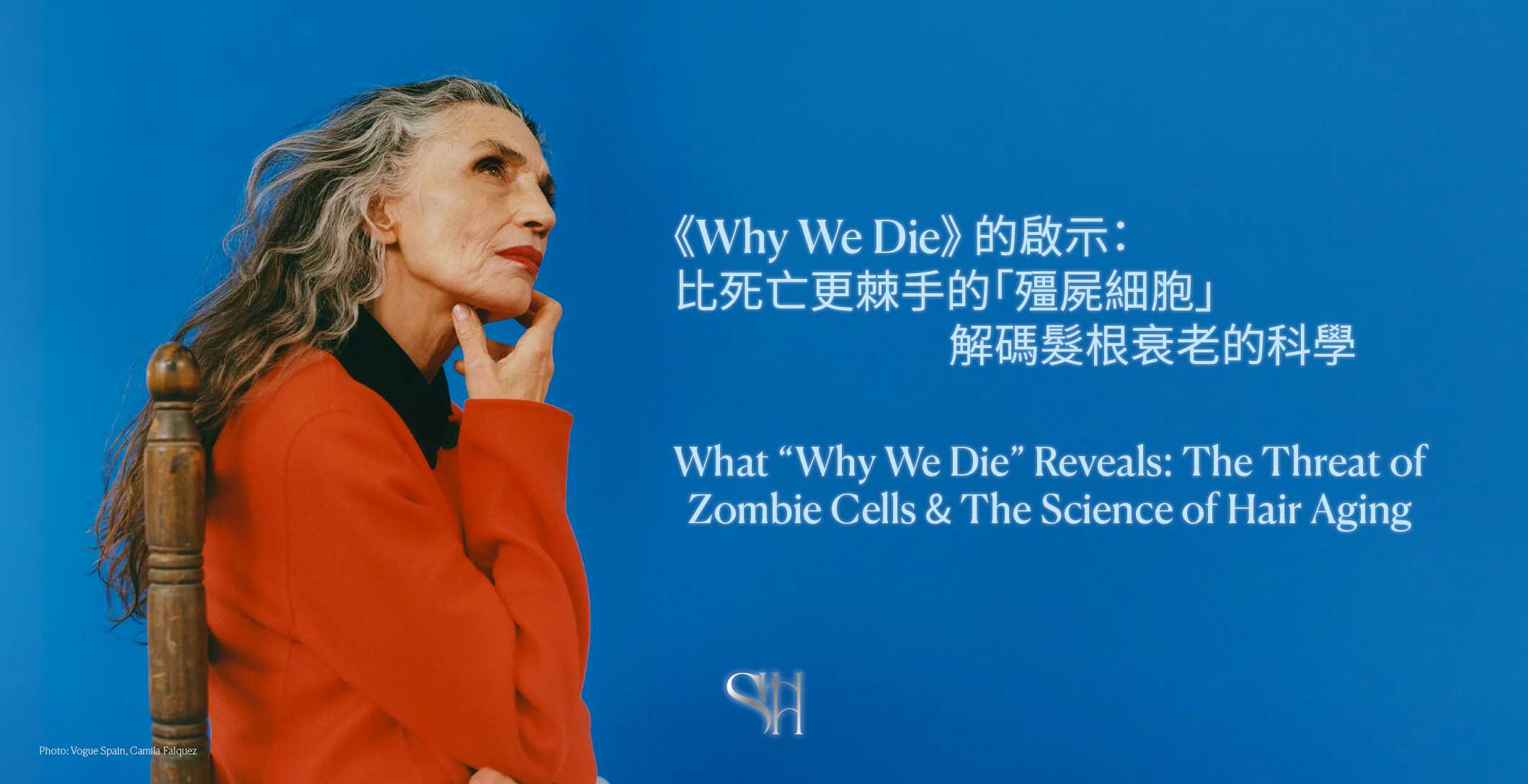
2009 年諾貝爾化學獎得主、分子生物學家 Venki Ramakrishnan 在新作《Why We Die》中指出,衰老不是一種單一現象,而是多種生物過程的複合累積。細胞在分裂時,染色體末端的保護結構「端粒」無法被完整複製,因此每次分裂後都會略為縮短。當端粒縮短到臨界點,細胞便收到一個「出問題了」的訊號,進入衰老狀態,停止分裂。早在 1960 年代,科學家 Leonard Hayflick 便發現,細胞大約在完成 50 次分裂後便會進入衰老狀態,也就是所謂的「海弗利克極限」。這些微量損傷在身體各處靜靜累積,才是老化最根本的線索,而非我們眼睛看到的白髮與皺紋。
Nobel laureate Venki Ramakrishnan argues in "Why We Die" that aging is not a single event but an accumulation. Telomeres shorten with each cell division, triggering senescence when they reach a critical threshold. Scientists discovered in the 1960s that cells undergo roughly 50 doublings before entering this state. The damage is invisible, long before it becomes visible.
殭屍細胞:停不下來的麻煩製造者
衰老細胞並非直接死去,這才是問題所在。所謂「殭屍細胞」,是一種停止生長、卻持續釋放炎性分子與組織降解物質的細胞狀態。在年輕的身體裡,免疫系統能有效清除它們;隨著年齡增長,清除效率下降,殭屍細胞開始在各器官組織中累積,並成為多種年齡相關疾病的驅動因子。更麻煩的是,殭屍細胞還會誘使鄰近健康細胞也進入衰老狀態,形成一種緩慢擴散的連鎖反應。在頭皮與毛囊層面,殭屍細胞會削弱再生潛力,加速毛髮稀疏與白髮化。這個過程往往比我們察覺的時間點早了許多年。目前,全球長壽研究產業規模已接近 300 億美元,其中針對殭屍細胞的 senolytic 療法正是研究熱點之一。
Senescent cells don't die. They linger, continuously leaking inflammatory molecules and recruiting healthy neighbors into the same state. The immune system clears them efficiently when we're young; as we age, the clearance slows. In hair follicles specifically, their accumulation weakens regenerative capacity, accelerating thinning and greying. The global longevity industry, now nearly $30 billion, is increasingly focused on targeting these cells.
節律,是毛囊的另一種語言
科學家發現,毛囊的生長並非勻速進行,而是受生理時鐘精密調控。毛囊在早晨的細胞分裂速率明顯高於傍晚,也就是說,毛髮在一天的早段生長更快。這個由生理時鐘基因 CLOCK 與 BMAL1 主導的節律機制,與毛囊的整個生長周期密切相關。研究也顯示,頭髮在夏季的生長速度通常快於冬季,光照與溫度都是影響這個節律的外在訊號。當生理時鐘受到干擾,比如長期睡眠不足或跨時區頻繁往來,毛囊的再生節律也會隨之失序。換言之,照顧頭皮不只是塗抹產品,也是維護一套生物計時系統的穩定運作。
Hair growth is not constant. It is rhythmic. Research published in PNAS shows that hair follicle cells divide at a higher rate in the morning than in the evening, driven by circadian clock genes CLOCK and BMAL1. Hair also grows faster in summer than winter. When the circadian rhythm is disrupted by chronic sleep deprivation or irregular schedules, follicle regeneration falls out of rhythm too.
毛囊的抗衰老:科學能做什麼
《Why We Die》讓我們理解衰老的機制,並提醒我們與其追求「長生不老」,不如延長充滿活力的「健康壽命」(healthspan)。2025 年發表於《Aging Cell》的研究顯示,針對衰老細胞的 senolytic 療法,在實驗中確實能恢復毛囊誘導毛髮生長的能力,清除殭屍細胞後,毛囊成功再生出新的毛髮結構。這為毛囊層面的抗衰老研究提供了迄今最直接的細胞層面證據。KORE 的科學哲學從這些微觀層面著手:透過生物活性成分強化微循環、啟動再生因子,目標不是短暫刺激,而是讓毛囊重新建立自我修復的節奏。我們或許無法逆轉時間,但可以透過科學,延長毛囊最有活力的生長期。這正是「Make you fall in love with your hair again」的實際寫照。
"Why We Die" reframes the goal: not immortality, but extending the healthspan, the years we function well. A 2025 study in "Aging Cell" found that senolytic treatment successfully restored the follicle's ability to generate new hair structures after zombie cells were cleared. KORE's approach operates on this same logic: not to stimulate the scalp with a single dramatic intervention, but to restore the conditions under which follicles can sustain their own regen.
FEATURED ARTICLES
Scalp Toner Ampoules and Salon Treatments
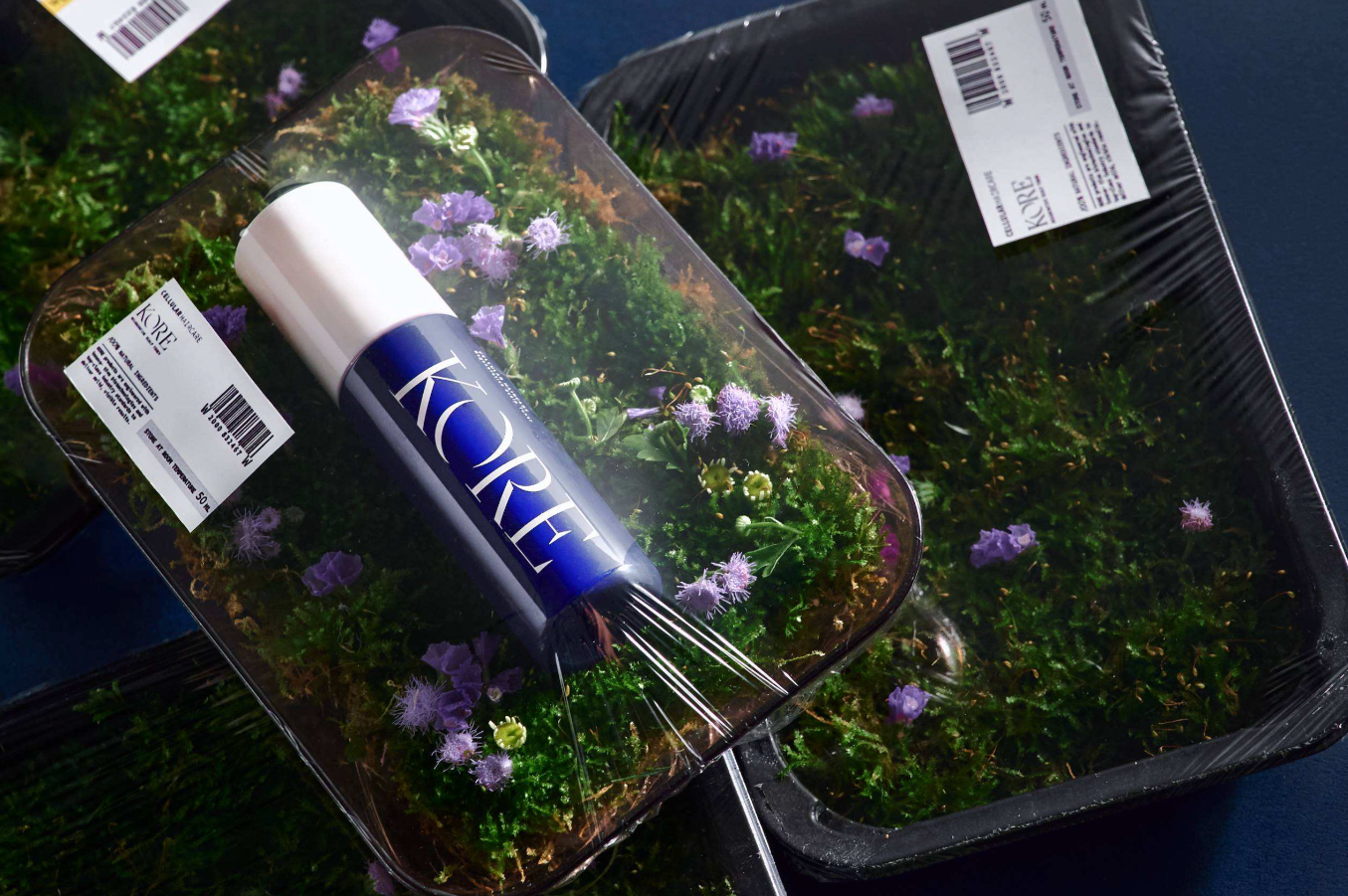
Navigating scalp and hair care doesn't mean you need every product at once. Whether you are using a daily leave-in like the KORE Regenerative Scalp Toner, a fortnightly treatment like the KORE Bio renew Scalp Ampoules, or experiencing a professional session during an OMG Treatment at SHHH in Sheung Wan, building a clear, purposeful routine is key to long-term hair longevity.
Balancing professional salon care with at-home maintenance ensures your routine matches your lifestyle—whether you're pairing your scalp care with a fresh hair colour consultation Hong Kong, expert grey coverage, or modern balayage vs highlights styling. Inspired by a personalized, TCM-rooted philosophy, true care focuses on gentle touch, daily habits, and products tailored specifically to you.
Hair Shedding vs Hair Breakage
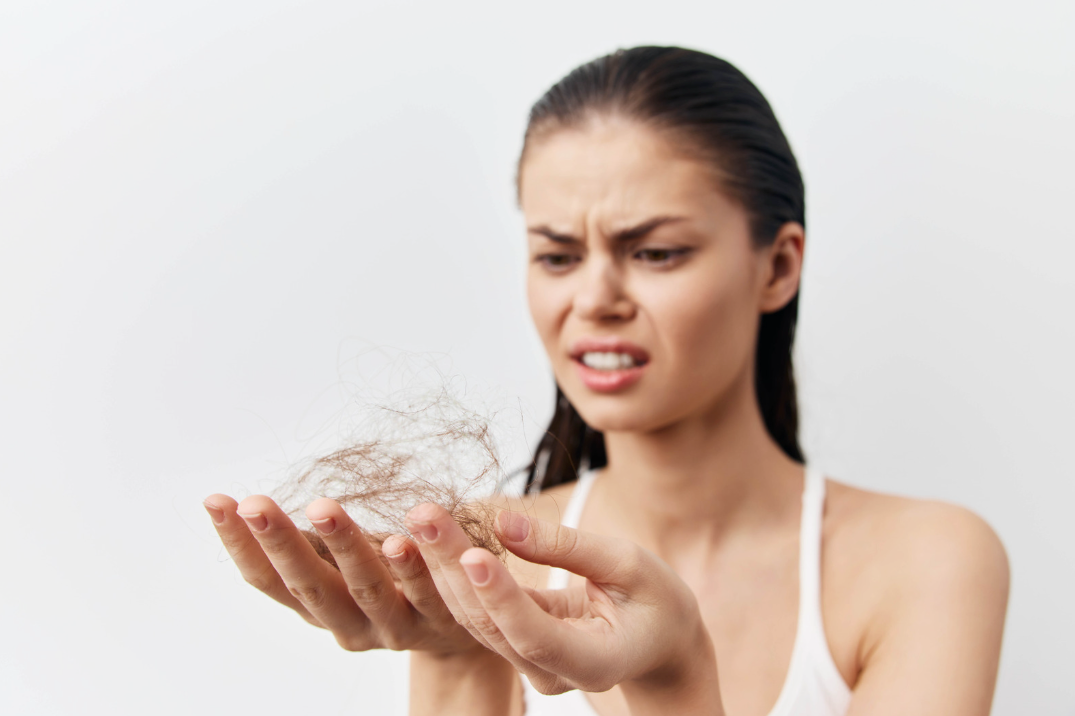
Distinguishing between hair shedding and hair breakage is essential, because a scalp routine and a conditioning treatment do completely different jobs. While shedding releases a hair from the follicle—often showing full-length strands with a small club end—breakage happens along the hair shaft, leaving behind uneven fragments and frayed ends. In Hong Kong, environmental stress, chemical treatments, and lifestyle changes can lead to both simultaneously, making a targeted approach key to hair longevity.
At SHHH in Sheung Wan, we care for the living scalp while protecting the fibre that has already grown. Whether you are addressing excessive hair shedding causes hong kong, seeking solutions for a widening part hair thinning assessment hk, or looking to repair dry processed hair repair treatment hk, our philosophy begins with careful observation. Pair a dedicated scalp step—such as KORE Scalp Toner or OMG+ Scalp—with tailored conditioning for your lengths to restore balance, manageability, and strength.
