

How Chronic Stress Affects the Scalp and Hair-Growth Cycle

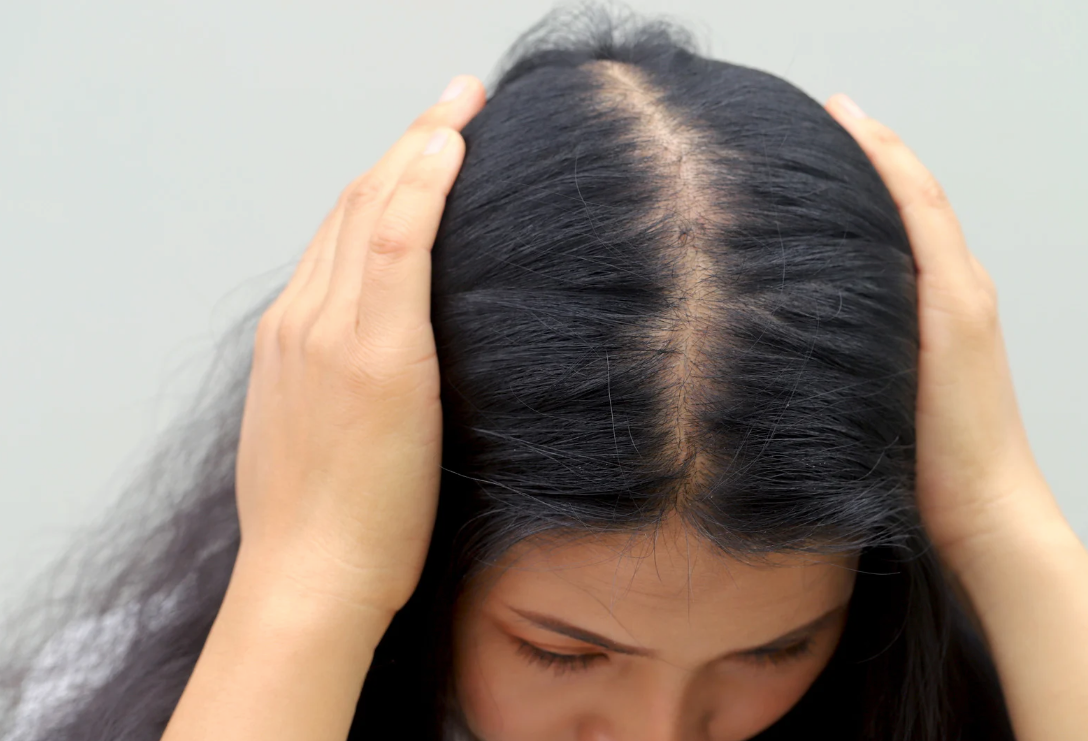
Yes—stress can affect hair, but rarely on the timetable people expect. The shedding that appears today may reflect a major physical or emotional stressor from weeks or months earlier. The right response is calm observation, gentle care and medical assessment when the pattern is severe or persistent.
How can stress influence the hair cycle?
The hair follicle is not isolated from the nervous and endocrine systems. Stress hormones and inflammatory signals can influence the follicle environment. In a widely cited mouse study, chronic corticosterone—the rodent equivalent of human cortisol—kept hair-follicle stem cells in a resting state by suppressing the growth signal GAS6 in the dermal papilla. The study is biologically important, but it is not proof that one cosmetic product can switch the pathway back on in people.
In humans, a major stressor can contribute to telogen effluvium: more follicles than usual shift toward rest and later release their hairs. Common triggers include high fever, surgery, childbirth, rapid weight loss, nutritional deficiency, severe illness and intense psychological stress. Shedding often becomes noticeable two to three months after the trigger.

What does stress-related shedding look like?
• Diffuse rather than patchy loss. Shedding is usually spread across the scalp rather than confined to one sharply defined area.
• More hair during washing or brushing. The increase may be obvious in the shower, on the pillow or when detangling.
• Delayed timing. The apparent disconnect between stress and shedding is normal because the hair cycle responds slowly.
• A relatively normal-looking scalp. Marked redness, scale, pain, scarring or bald patches suggest a different or additional issue.
How does stress affect the scalp itself?
Stress can alter perception of itch and discomfort, disrupt sleep and routines, increase picking or scratching, and aggravate some inflammatory skin conditions. It may also change how often someone washes, eats, exercises or styles the hair. The result is often a feedback loop: the scalp feels worse, the person becomes more anxious, and increasingly aggressive ‘detox’ makes the barrier less comfortable.
The first principle of recovery is therefore not stimulation at any cost. It is to reduce needless stress on an already unsettled system.
The TCM perspective: when pressure constrains flow
TCM often describes prolonged emotional strain as constraining the movement of Qi. This does not mean that stress creates a literal blockage visible on a scan. It is a whole-system description of something modern physiology also recognises: sustained stress changes breathing, muscle tone, sleep, circulation, digestion, hormones, immune signalling and behaviour at the same time.
For SHHH, a scalp ritual is not valuable because touch is magical. It is valuable because repeated, attentive care can help someone slow down, reduce rough handling, notice change and restore a sense of agency. Before words, our hands find our hair—and sometimes they also remind the nervous system that the emergency is over.
A gentle three-part recovery ritual
1. Cleanse and calm. Use a scalp-appropriate shampoo such as OMG+ Scalp Shampoo to remove excess sebum and residue. Use fingertips, not nails, and rinse thoroughly.
2. Treat without overloading. Apply OMG+ Scalp Treatment as directed. If lengths are dry from disrupted routines or heat styling, use Airy or Glossy treatment where needed rather than piling everything onto the scalp.
3. Create a consistent leave-in moment. Apply KORE Regenerative Scalp Toner as directed and massage gently. Keep the ritual brief enough to repeat; longevity is built by consistency, not punishment.

What else supports recovery?
• Regular meals with adequate protein and micronutrients; avoid crash dieting during a shedding episode
• Consistent sleep and wake times where possible
• Moderate exercise and time outdoors to support stress regulation
• Lower heat, less traction and gentler detangling while density feels reduced
• A medical review if there may be iron deficiency, thyroid dysfunction, postpartum change, medication effects or another trigger
How long does stress shedding last?
Acute telogen effluvium often improves after the trigger resolves, but the cycle takes time and recovery is measured in months, not days. New short hairs may appear before density feels normal. Ongoing shedding beyond roughly six months, recurrent episodes or visible patterned thinning merits assessment by a dermatologist or other qualified clinician.
Frequently asked questions
Can shampoo stop stress-related hair loss?
No shampoo can remove the underlying stressor or treat every cause of shedding. The right routine can keep the scalp comfortable, reduce breakage and support hair quality during recovery.
Should I wash less when hair is shedding?
Avoiding washing does not keep resting hairs attached indefinitely; it often makes the eventual wash look more dramatic. Choose a gentle frequency appropriate to your scalp.
Does scalp massage regrow hair?
Massage can be relaxing and may temporarily increase local blood flow, but it should not be sold as a cure. Use gentle pressure and stop if the scalp is painful or inflamed.
When is hair loss urgent?
Seek prompt care for sudden bald patches, scarring, significant scalp pain or inflammation, eyebrow or body-hair loss, or shedding accompanied by other systemic symptoms.
Begin with calm, consistent care. Explore OMG+ Scalp and KORE Regenerative Scalp Toner or speak with SHHH about a personalised ritual.
Important: Cosmetic scalp and haircare can support comfort, manageability and visible hair quality, but it does not diagnose or treat medical hair loss. Seek medical advice for sudden, patchy or persistent shedding, scalp pain, sores or marked inflammation.

Scientific context and sources
Corticosterone inhibits GAS6 to govern hair follicle stem-cell quiescence — Nature 2021 mouse study; Harvard research summary
Stress-related and basic determinants of hair cortisol in humans — meta-analysis of chronic stress and hair cortisol
Role of scalp health in achieving optimal hair growth and retention — clinical review
المقالات المميزة
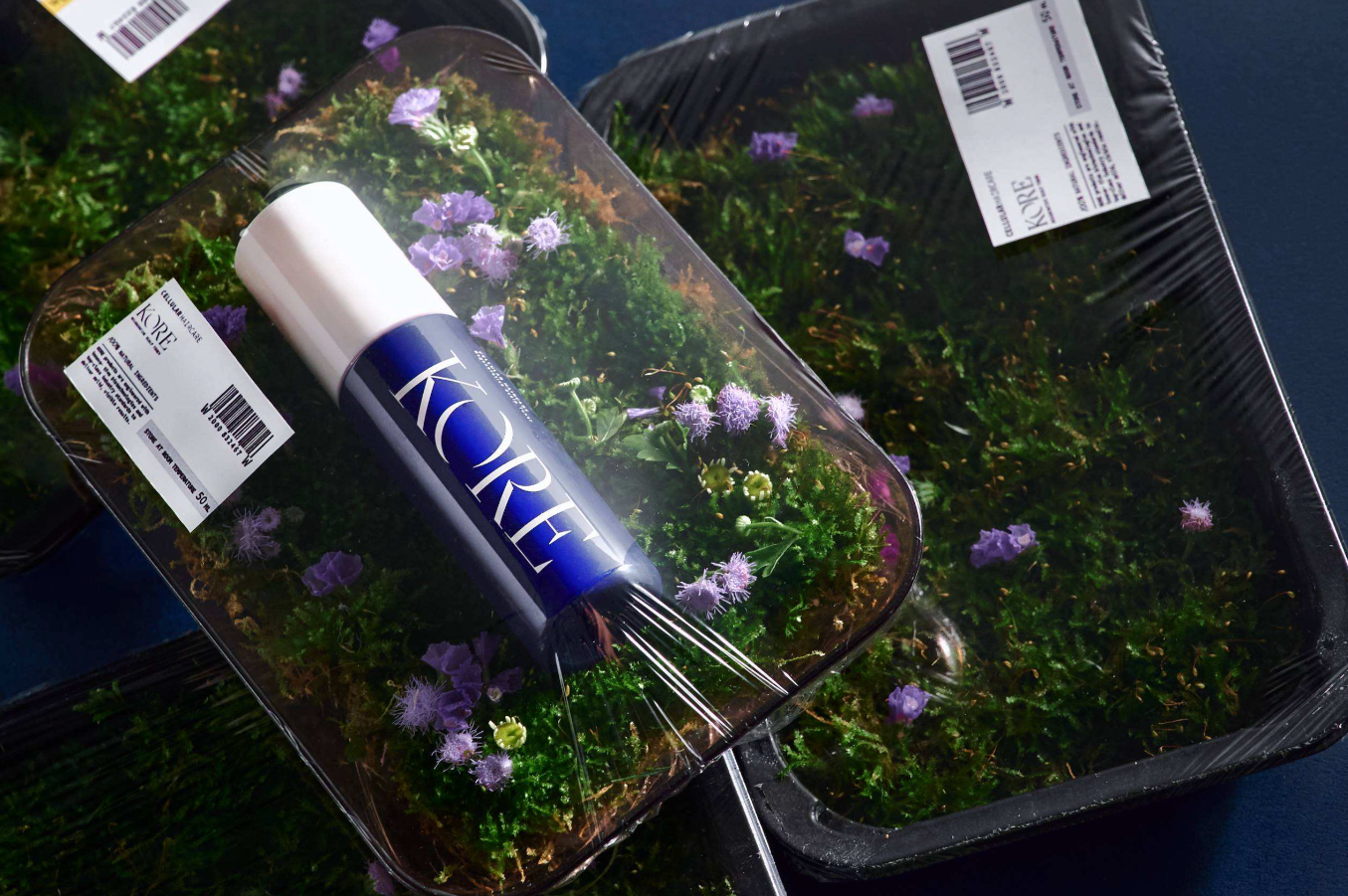
Scalp Toner Ampoules and Salon Treatments
Navigating scalp and hair care doesn't mean you need every product at once. Whether you are using a daily leave-in like the KORE Regenerative Scalp Toner, a fortnightly treatment like the KORE Bio renew Scalp Ampoules, or experiencing a professional session during an OMG Treatment at SHHH in Sheung Wan, building a clear, purposeful routine is key to long-term hair longevity.
Balancing professional salon care with at-home maintenance ensures your routine matches your lifestyle—whether you're pairing your scalp care with a fresh hair colour consultation Hong Kong, expert grey coverage, or modern balayage vs highlights styling. Inspired by a personalized, TCM-rooted philosophy, true care focuses on gentle touch, daily habits, and products tailored specifically to you.
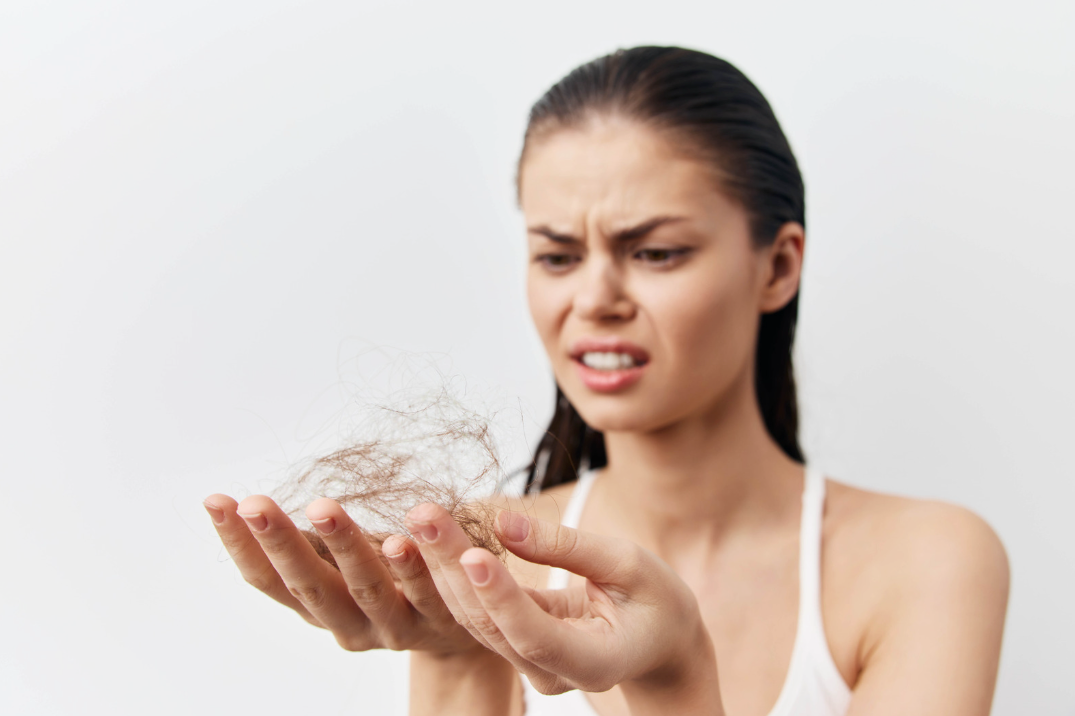
Hair Shedding vs Hair Breakage
Distinguishing between hair shedding and hair breakage is essential, because a scalp routine and a conditioning treatment do completely different jobs. While shedding releases a hair from the follicle—often showing full-length strands with a small club end—breakage happens along the hair shaft, leaving behind uneven fragments and frayed ends. In Hong Kong, environmental stress, chemical treatments, and lifestyle changes can lead to both simultaneously, making a targeted approach key to hair longevity.
At SHHH in Sheung Wan, we care for the living scalp while protecting the fibre that has already grown. Whether you are addressing excessive hair shedding causes hong kong, seeking solutions for a widening part hair thinning assessment hk, or looking to repair dry processed hair repair treatment hk, our philosophy begins with careful observation. Pair a dedicated scalp step—such as KORE Scalp Toner or OMG+ Scalp—with tailored conditioning for your lengths to restore balance, manageability, and strength.
